8 April 2026
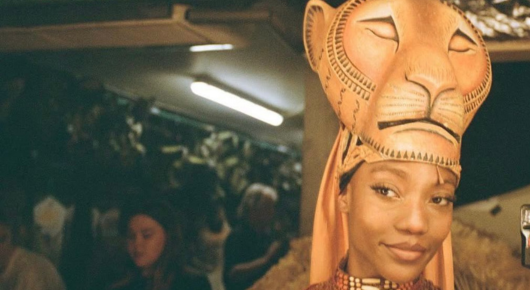
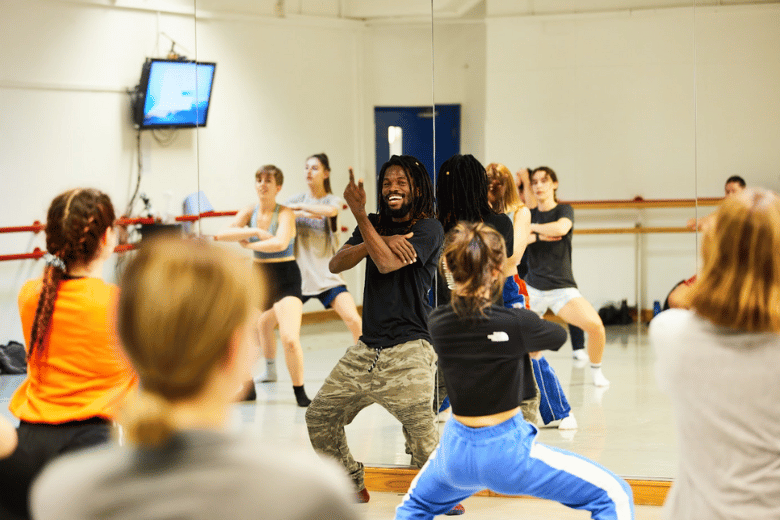
Sophia Adzoa-Moore is a dancer, musical theatre performer, teacher and content creator who has been dancing since the age of three. Her journey hasn't always been straightforward, a diagnosis of Hypermobile Ehlers-Danlos syndrome (HEDS) brought multiple surgeries and moments where she genuinely wondered if she would ever dance again. Sophia's story is one of resilience. Her theatre credits include West End show, A Little Piece of You, at the Theatre Royal Drury Lane, and through every challenge, the skills and discipline she built through her ISTD training have stayed with her, shaping not just her technique but her entire approach to performance. 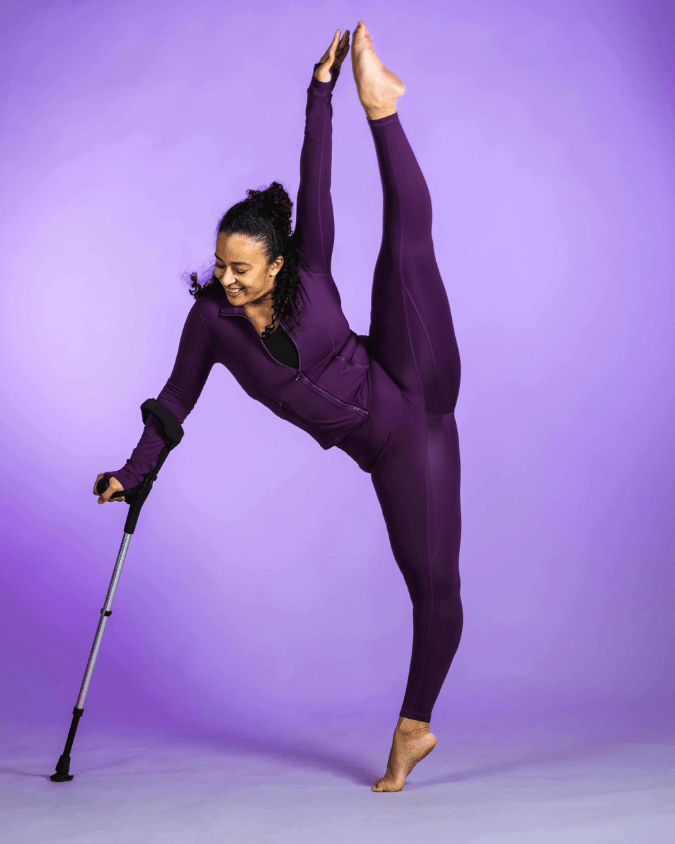
Photo: Rhiannon Noble
"I think there's been cases where if you don't learn syllabus, for example in tap, if you only you learn a bunch of steps straight away, but you don't have the technique and the foundations to do them, you would struggle" she explains. "Whereas if you're going through ISTD grades, you really learn them in a way that's progressional. And I think that has been very beneficial for me."
That sense of building properly from the ground up is something Sophia returns to again and again. She took ballet, tap and modern through her ISTD training, attending Junior Masters Performing Arts, and describes the structure of the exams as invaluable, not just technically, but in terms of preparing her for the realities of a professional career.
One of the most significant things ISTD training gave her, she says, was the ability to perform under pressure. "I've always been the sort of person that I step foot on stage and everyone's always like, wow, she's got stage presence," she laughs. "But I always had it really difficult to bring that on in a studio." Working towards ISTD exams changed that. "Doing exams meant that I had to learn how to bring that into the exam room and bring that every day training, because it's asking the same thing. And I think that's been really helpful in my career."
That ability to perform to one person in a room, to an examiner rather than an audience, translated directly into audition technique.
"In an audition, you have to bring full stage presence in a studio or wherever you are, because they need to see that you can do it, and that's something that doing exams taught me."
Sophia also credits the improvisation and free work elements of her ISTD exams with helping her develop confidence and adaptability, skills she now sees as essential in professional settings. "The parts of the exams that I found the most daunting, like free work and improvisation, really help in terms of professional class," she says. "It helps with pickup time, it helps with doing things on the spot." As a teacher herself, she has seen firsthand how daunting improvisation can feel for students. "I remember in 5 ISTD modern, where I had to improvise, and it can be a daunting thing. But I think that by doing that at a young age is really helpful, so that when you get older, you don't come across it in an audition later and go, oh my gosh, I have no idea what to do."
"Beyond technique and performance, being able to go into a room and speak confidently to someone you don't know, I think is a really important skill as a performer. Or just generally! I think that's really important. And that's another thing that comes from doing exams."
For Sophia, the value of her ISTD training goes far beyond technique. It shaped the performer, the teacher and the person she is today.