5 February 2026
Broadening Access to Dance: Celebrating Our Award Winners
BATD recognises projects that remove barriers to participation and open up meaningful opportunities for people to experience the benefits of dance. We spoke to Natasa Georgiou and Emma Hawley about their upcoming ambitions with the bursary.
We are delighted to announce the latest recipients of the Broadening Access to Dance (BATD) Awards, supporting dance educators and practitioners who are working to make dance more inclusive, accessible, and embedded within their communities.
These awards recognise projects that remove barriers to participation and open up meaningful opportunities for people to experience the benefits of dance physically, creatively, and socially.
Natasa Georgiou
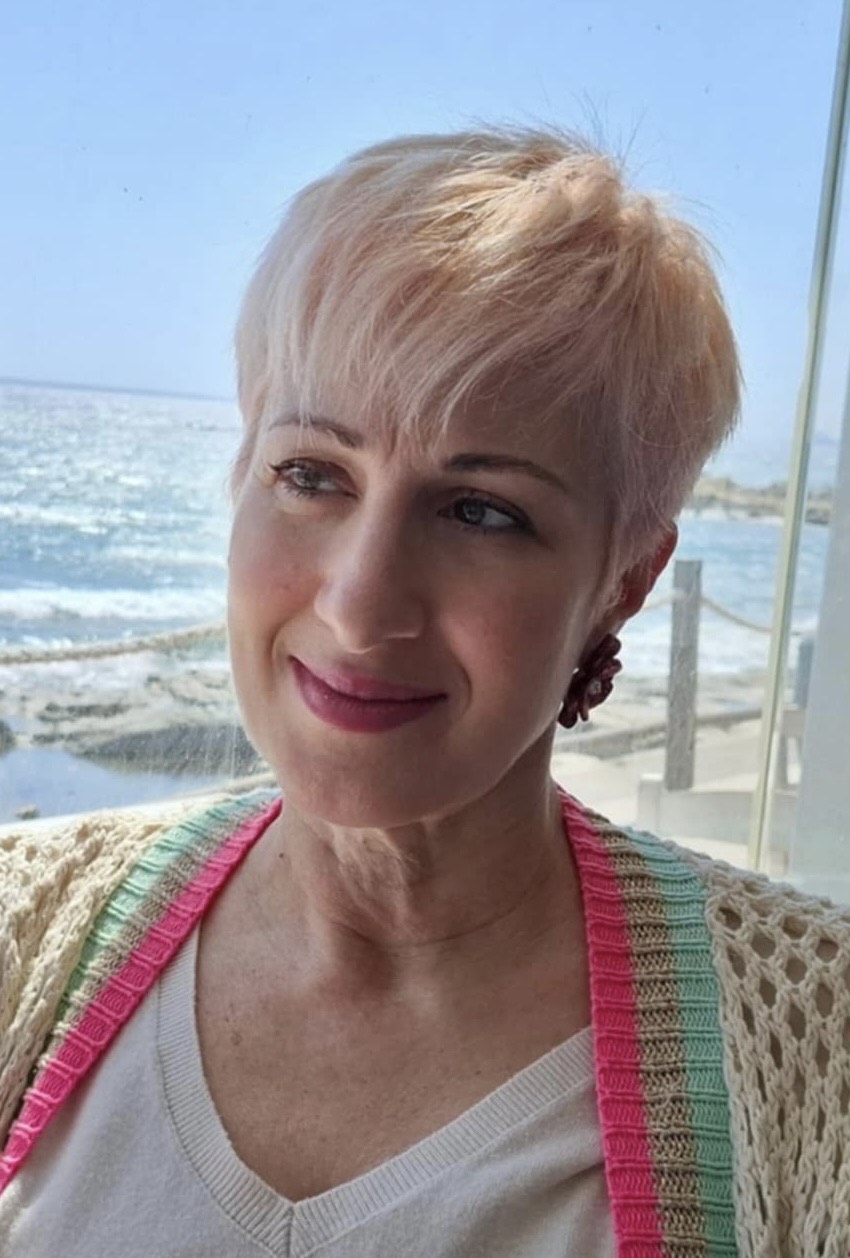
I hope the project creates a genuinely safe and welcoming space where young people with and without disabilities can meet, move, and learn together as equals. Through creative movement, the aim is to strengthen communication, confidence, and connection, while reducing fear of difference and encouraging mutual respect within the school community.
Why this matters to Natasa
Inclusive dance matters to me because movement belongs to everyone. I have seen how powerful the body can be as a tool for expression, especially for young people who may struggle to communicate verbally or feel excluded in traditional educational settings. Accessible dance allows every individual to be seen, heard, and valued exactly as they are. The BATD Bursary is not only financial support, but a strong vote of confidence in the value of inclusive, socially engaged dance work.
What the bursary enables
The bursary enables me to dedicate focused time to planning, delivery, reflection, and adaptation of the workshops. It supports the development of accessible teaching materials, the ongoing evaluation of the process, and the possibility of expanding the project to reach more students and educators in the future.
In the long term, I hope the project contributes to a shift in how creative movement is perceived within education, not as an extra, but as a powerful pedagogical tool. I hope it leaves behind more confident students, more empathetic school environments, and educators who feel empowered to use movement inclusively in their own practice.
I’m most excited about witnessing the small but powerful moments of shift, when resistance turns into curiosity, when a student who initially refuses to move begins to engage in their own way, or when a group starts to trust one another enough to create together.
Emma Hawley
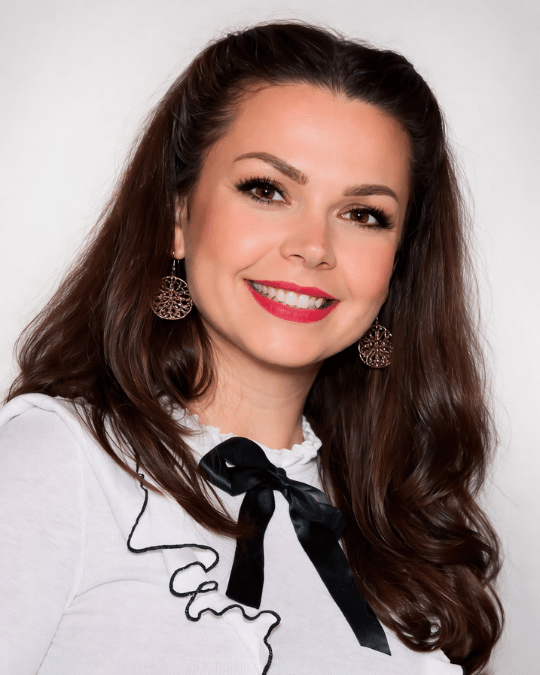
I hope Groove and Grow gives children across Ipswich the chance to experience dance in a way that feels supportive, inspiring and genuinely enjoyable. My aim is to create positive opportunities for movement, creativity, and connection within school life, particularly for those who may not otherwise access dance.
Why this matters to Emma
Dance has the power to build confidence and wellbeing in a way that reaches children beyond words.
I strongly believe dance should not be limited by circumstance or opportunity and every child deserves the chance to feel confident, supported, and able to express themselves through movement. It feels incredibly meaningful. I’m grateful to the ISTD for recognising this work and for supporting projects that bring dance into communities through education and inclusion.
What the bursary enables
The bursary allows my team and I to deliver high-quality sessions in local schools and work alongside staff so the benefits extend beyond the workshops themselves. It creates a foundation for the project to grow through further partnerships and future activity. My hope is that Groove and Grow becomes a sustainable model for school-based dance access in Ipswich and Suffolk, creating pathways for continued participation and strengthening the role of dance within education and wellbeing.
I’m most excited about those first moments when children realise dance is for them too and their confidence starts to shine. Through years of teaching, I’ve seen how even a small moment of encouragement and creative expression can make a real difference to a child’s confidence.