3 December 2025
Why WhizzDance chose class exams
Maria, who has trained with ISTD since childhood, sees exams as an integral part of her dance school, WhizzDance, structured, high-quality training.
For a recent cohort, the class exam format offered the right balance of stretch, support, and accessibility:
“Although our students had covered the full syllabus content, I was concerned about the little time we had in the lead up to the exam date… I felt it was time to move on to the next level. I was also very interested in the opportunity for our SEN attendees to have the chance to take an exam in a more relaxed and familiar setting.”
A supportive examination experience
WhizzDance’s student community includes dancers with a wide range of learning profiles and individual needs, including students with Down syndrome. For Maria, class exams provided an environment where all dancers could participate meaningfully:
“Our students include a number of attendees with a range of diverse needs… The class exam structure allowed me to remain present and supportive in the room without compromising the integrity of the process.”
She highlights the 50/50 technique-and-performance split as a major strength:
“It allows children who may not be the most technically advanced to still be recognised at the highest level for musicality, expression and connection… I believe the standards are not lowered, the access to success is widened.”
Maria encourages other teachers to consider this exam format:
Class exams are not a ‘lesser’ choice… For children with additional needs, the class exams allow genuine achievement not through concession, but through a marking system that allows the child opportunity to gain reward through their performance.”
A parent’s perspective
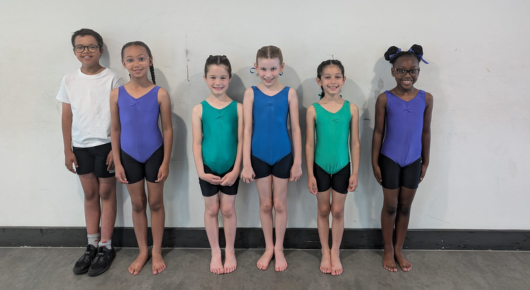
Hashim has attended WhizzDance since age 7 and has always loved moving to music. He enjoys both the dancing and the connections he has made with teachers and classmates. Hashim, who has Down syndrome, thrived in the supportive, social learning environment of the class exam format.
"Hashim started a Street Dance class with his younger sister, and subsequently moved on to do Modern. He really enjoyed the dancing as well as the connections he made with both the teachers and other children. He was very happy when Miss Maria explained that his excellent performance skills had really lifted his overall score for his class exam, and I felt quite emotional. It was lovely to have his expressive personality, talent and enthusiasm for dance recognised and valued, rather than it just being about refined technique.”
Class Exams allow pupils to take their exam with their classmates and teacher present, Amy believes the format was a key factor in helping Hashim shine:
Hashim thrives on learning in a social environment and feeling included… Being able to do the exam alongside his sister and others he has got to know in the class helped to bring out the best in him.”
When asked what she would say to other parents considering dance exams for children with SEN, Amy stated: “Taking a dance exam was a really positive experience for Hashim, recognition of his ability and enthusiasm for dance. It has been great to show what he can achieve.”
We also asked Hashim how he felt about dancing and the exam:
“Yes I love dancing, it’s fun and makes me feel happy. She (the examiner) was great and kind. She loved my dancing.”
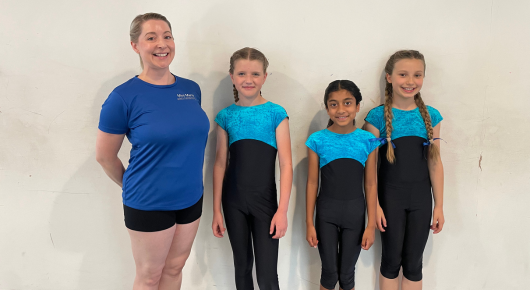
Celebrating what class exams make possible
WhizzDance’s experience shows how class exams can create accessible, meaningful moments of achievement for dancers of all abilities. For Hashim, the experience was joyful, confidence-boosting, and affirming, a clear reminder of how inclusive structures can empower every dancer to shine.