5 December 2025
Dance exams benefit students in countless ways, from building strong technical foundations to developing confidence and discipline. The structure and progression of ISTD examinations give young dancers clear goals to work toward, helping them grow not only as performers, but as dedicated learners who understand the value of practice and perseverance in dance training.
Theo, a young dancer from Dawson School of Performing Arts, is a perfect example of how exam training can shape a performer’s journey. His commitment to Ballet, Tap, and Modern with the support of his teachers and the ISTD syllabus, helped prepare him for one of the biggest opportunities a young performer can dream of, a role in the West End production of Matilda.
Insights from Theo
Can you tell us a bit about yourself and how you got into dancing?
"I started dancing when I was 5 years old. My first dance class was street dance, which was fun. I then started Ballet which I loved. Gradually I started attending more dance classes and soon it became my favourite hobby!"
How have ISTD exams helped you become a stronger dancer?
"ISTD exams helped me strengthen my technique, coordination, and versatility skills. I have taken exams in Ballet, Tap and Modern. Each ISTD genre is very different from each other so studying different styles has helped me to become a versatile dancer.I think technique and precision have helped me on stage, I get taught these skills in my classes. It helps me sharpen and clean my dances on stage.”"
How did it feel when you found out you were cast in Matilda?
“When I was cast in Matilda I was very surprised and excited. It was a huge surprise and I couldn’t wait to start rehearsals.”
What’s your favourite thing about performing?
“My favourite thing about performing is being to express myself and act as fictional character. The more effort you put in, the better your achievements will be, and the most important thing is to have fun!”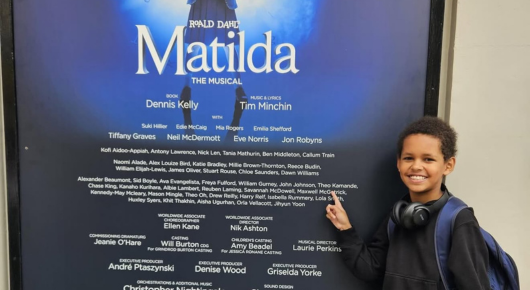
Insights from Theo’s Teacher, Elin Dawson
Behind every young performer is a teacher guiding their growth. Elin Dawson has supported Theo through each stage of his journey, watching him develop the technique and artistry with ISTD training. Elin believes that ISTD exams offer far more than certificates, and that they provide a framework for lifelong skills and in a world that’s constantly changing, she feels those skills are priceless.
Can you tell us about Theo’s journey as a student and how ISTD training supported him?
“Theo’s journey has been a wonderful example of dedication and growth. From the very beginning, he showed a genuine curiosity about dance and a strong work ethic. Through the ISTD syllabus, he developed not just his technical foundation but also his discipline, focus, and appreciation for detail. Each grade gave him clear goals to work toward, and that structure really helped him grow in confidence. Over time, Theo transformed from a talented young dancer into a thoughtful performer who understands how technique and artistry work hand in hand.”
How does ISTD syllabi helped prepare students for professional opportunities?
“The ISTD syllabi are incredibly well-rounded, they nurture technical precision, musicality, and performance quality. For students like Theo, this has meant being well-prepared not only for exams but for auditions and performances. The progressive structure of the syllabus ensures that dancers gain a deep understanding of movement vocabulary and style, which translates beautifully into professional readiness
Exam preparation itself plays a huge part in helping students feel confident. As they work through each stage of the syllabus, they develop a real sense of achievement and ownership over their progress. The variety of exercises, music, and styles within the ISTD syllabi naturally encourages performance skills to develop, students are constantly exposed to different rhythms, dynamics, and expressions. This variety keeps training engaging and helps dancers grow into confident, expressive performers who enjoy sharing their work.”
What advice would you give to other teachers preparing students for exams?
“My biggest advice is to balance discipline with encouragement. Technical accuracy is vital, but so is fostering joy in the process. Start preparations early, break down goals into manageable stages, and create an environment where students feel supported and motivated. Celebrate progress, not just perfection. Remind them that exams are an opportunity to show what they love.”