24 June 2026
Classical Greek Dance is comprised of seven distinct styles, each with its own characteristics and qualities. The vocabulary of Classical Greek Dance is frequently seen in more than one style, but the technique of each step often changes according to the style in which it is performed.
The first of these styles is the most well-known, the Lyric style, typified by its fluidity and poetic, interpretive qualities. It can be used to express abstract or nature-based themes, or simply to show gentle, lyrical movement. Lyric is the first style taught to our youngest pupils and lyrical movement in the grades is joyous and free. Sensitivity and expression are developed in the syllabus through carefully designed exercises such as the Grade 2 Hand and Arm sequence ’Smoke’, or the Grade 4 Dance Sequence ‘Serenity’.
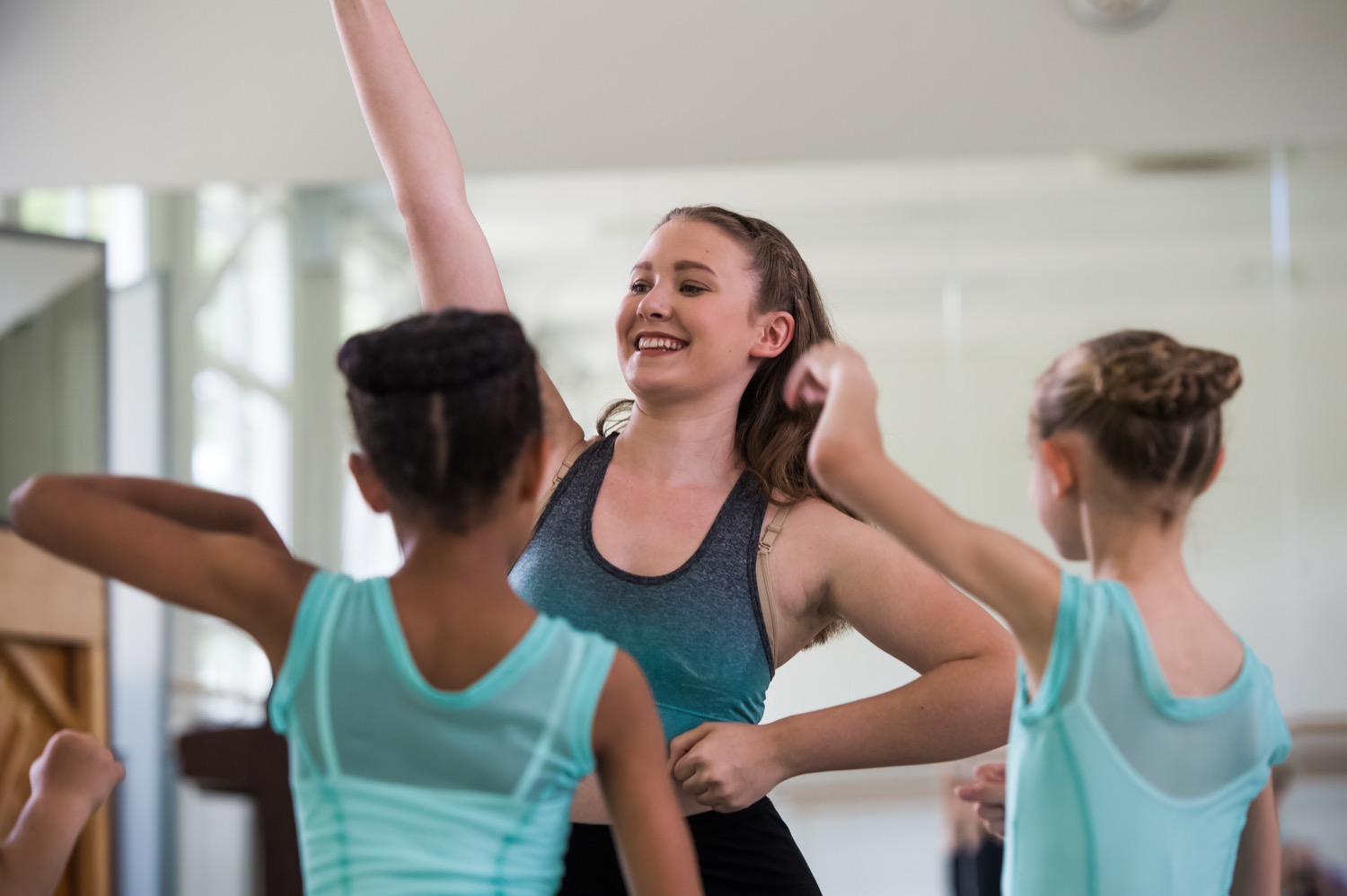
The Athletic style of Greek Dance is powerful, exuberant and lithe, characterised by use of implements, notably the bow, javelin and discus. It is introduced in the syllabus in Grade 4 and continues to be developed through to Advanced 2 level where the Delphic Athletics are studied in detail. Athletic dance requires strength and clarity of line, strong elevation and a powerful sense of travel.
The Bacchic style demonstrates the riotous nature of a Bacchanale, with the whirling frenzy and clamour of the Dionysian procession. Dancers may use the thyrsus, the cymbals and a cloak or grapes to heighten the sense of excitement and revelry. Bacchic is taught from Advanced 1, with movements of the Satyrs, both savage and comical, introduced in Advanced 2.
The Pyrrhic style is the dance of the soldier. This style is aggressive and determined, with the footwork as unyielding as the warrior. Taught only from Advanced 2, the dancers demonstrate military drills and actions of war, usually performing with a sword and shield. The style is very similar to the Athletic style, but the posture changes to reflect the weight of the uniform and the use of the foot changes to give greater strength and power.
Possibly the hardest style of all is the one with the least amount of movement. The Tragic section is characterised by moments of stillness, use of weight and gravity, and simplicity of gesture. Predominantly mimetic, the section requires great maturity to fully bring each gesture to meaningful action. Covering the great tragedies of life, this style is not taught until Advanced 2.
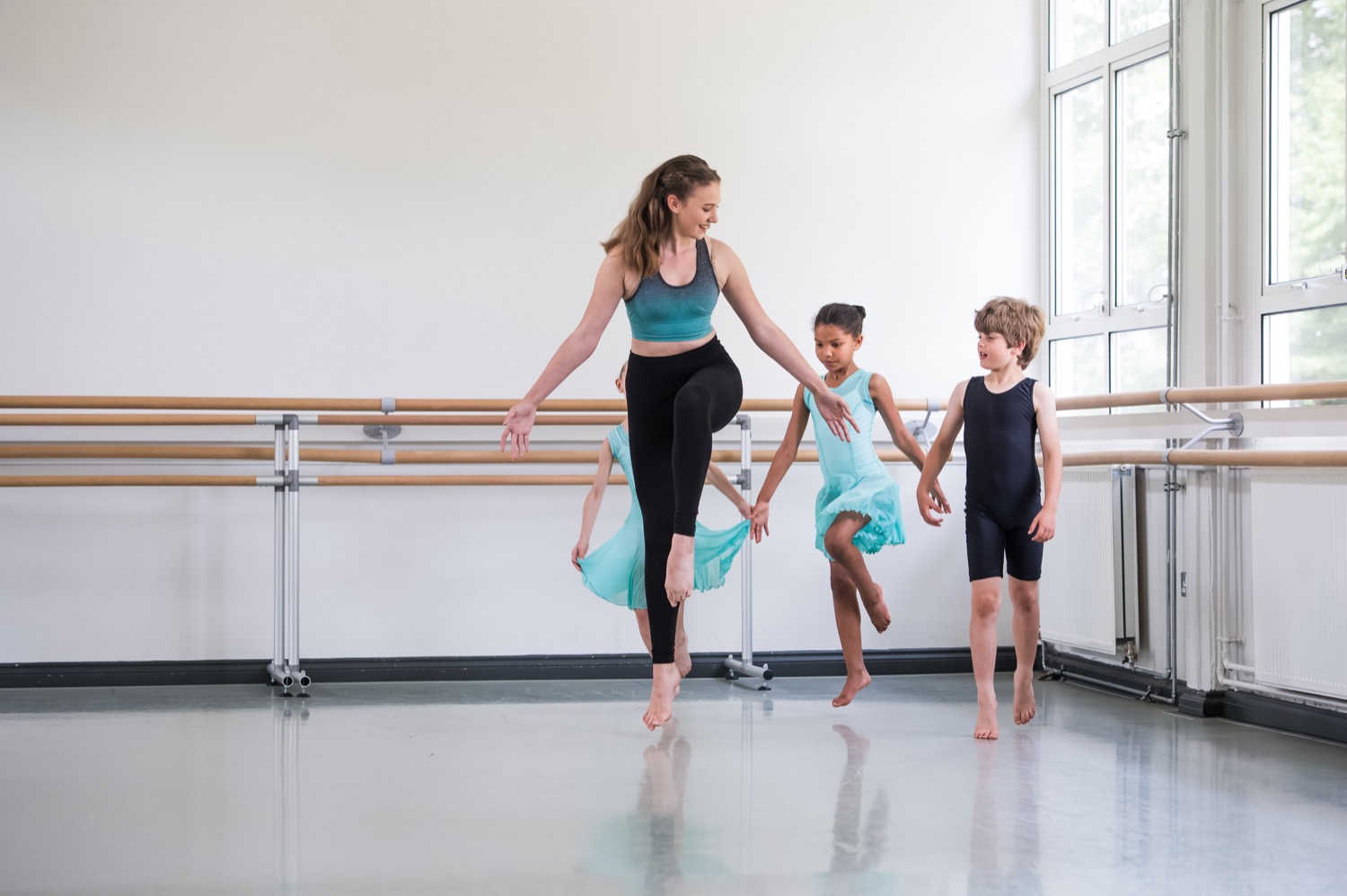
The Ritual section is restrained and quiet. Like the tragic section, it is performed with little dance movement but with sincerity and simplicity of gesture as befitting the sacred rituals explored. Simple gestures of praise and appeal are taught in Grade 4, with Gestures of Offering, or Offering Positions, taught in Grade 5. Understanding of the Ritual section is linked to the knowledge of the Ancient Greek deities, their festivals and ceremonial rites, which are studied throughout the vocational grades.
The Choric style is movement to words, taken from the chorus of the Greek dramas. At its heart, the style highlights a joining of mind and body, as the rhythm and meaning of the spoken word is heightened by the action and movement of the dancers. Inspiration for movement here will come from both the words and the rhythmic meter.
Lyric, Athletic, Bacchic, Pyrrhic, Choric, Ritual, and Tragic. Seven styles, each with their own unique and distinctive qualities, but together they unite to give a wealth of movement and theatrical possibilities.