14 July 2026
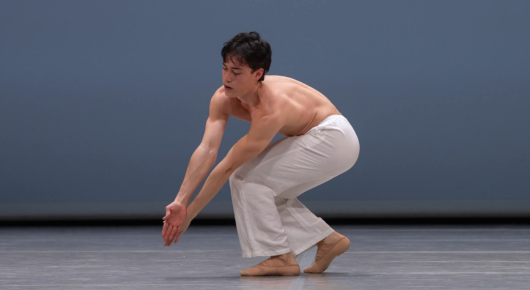
Born in Cornwall, Alex trained locally before studying at Elmhurst School for Dance in association with Birmingham Royal Ballet, going on to dance with the Slovak National Ballet, Tulsa Ballet and Sarasota Ballet, where he was promoted to First Soloist. His career has also taken him into musical theatre, with credits including Cats, Top Hat and 42nd Street, as well as television work on Netflix's The Sandman. Alex is now a full-time classical ballet teacher at Elmhurst Ballet School and has been an ISTD member for over a year. 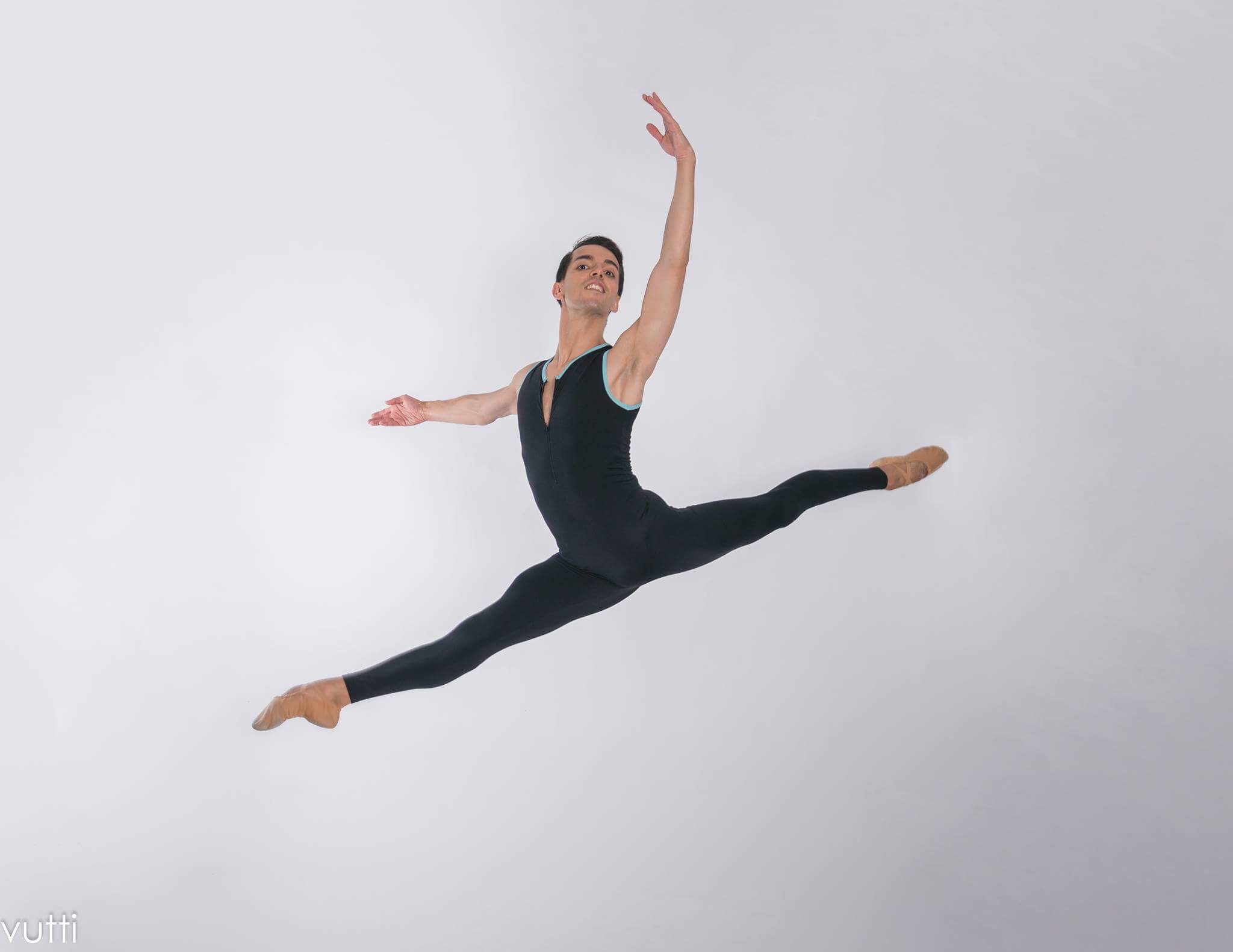
Joining ISTD
"I joined the ISTD a year ago through the APEL process. I was keen to study for the Licentiate in Cecchetti Ballet, but as I had not previously taken any ISTD Cecchetti Ballet grades, I applied using my professional experience alongside my teaching qualifications. The process was straightforward, and everyone I have encountered through the ISTD and the Cecchetti Society Trust has been incredibly helpful, supportive and encouraging."
Teaching
"I am currently a full-time classical ballet teacher at Elmhurst Ballet School, where I predominantly teach the Year 8 and Year 10 boys in the lower school, although I have led other sessions across the school, from the outreach programmes all the way up to the pre-professionals. 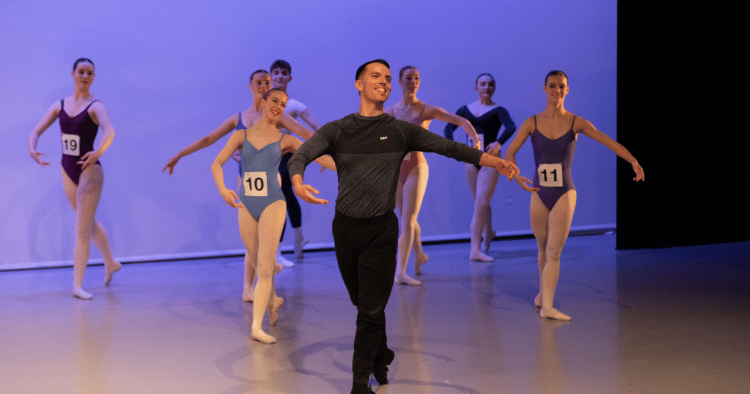
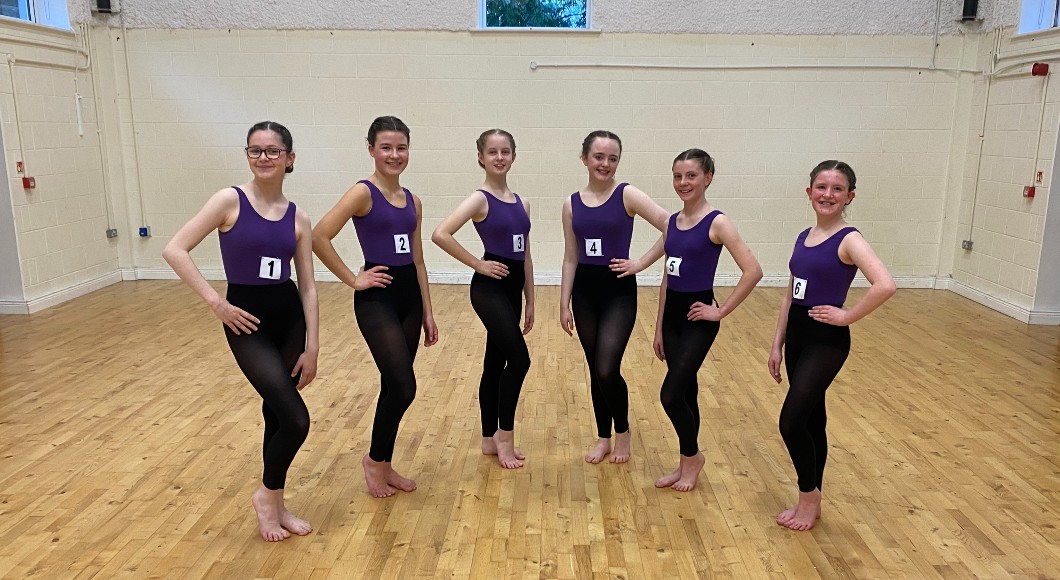
Photo by Lachlan Monaghan taken at the Cecchetti Society Trust Awards.
What I love most is seeing the students develop as artists and as individuals. In ballet education it can be easy to focus heavily on the acquisition of technical skills, so I try to emphasise the artistic and human elements of what we do. Technique is, of course, essential, and this is one of the reasons why I am enjoying learning the Cecchetti Method so much: each enchaînement has a clear purpose, whether it is to build strength, develop musicality or enhance speed and coordination.
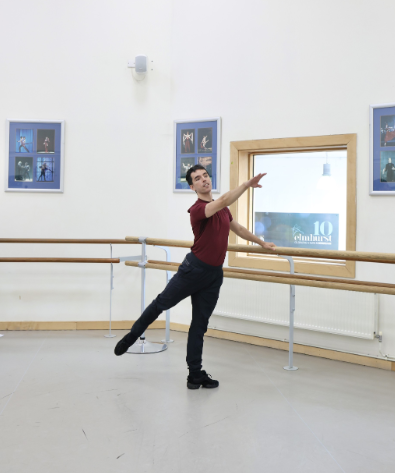
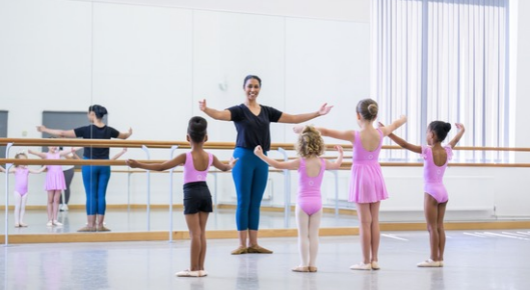
Photo by Sophie Jones at Elmhurst Ballet School
At the same time, I encourage students to look beyond extensions and multiple pirouettes. I ask them to engage with the music our accompanists play, to think about ballet history, and to form opinions on performances they have seen. I also encourage them to bring their unique sense of individuality to their work. In such a small and competitive profession, technique won't set you apart from the rest: it will be personality, professionalism and tenacity."
Why qualified teachers matter
"I believe it is vital that students learn from qualified teachers. Teacher training provides essential skills, not least lesson planning, safeguarding awareness, reflective practices and current dance science information.
Beyond that, ballet education is about inspiring a lifelong appreciation of the art form and of the arts more broadly. I believe this begins with the teacher being a curious and engaged learner themselves. Throughout my Licentiate studies, my teaching practice has evolved, and I am committed to deepening my knowledge so I can pass that expertise and passion along to my students."
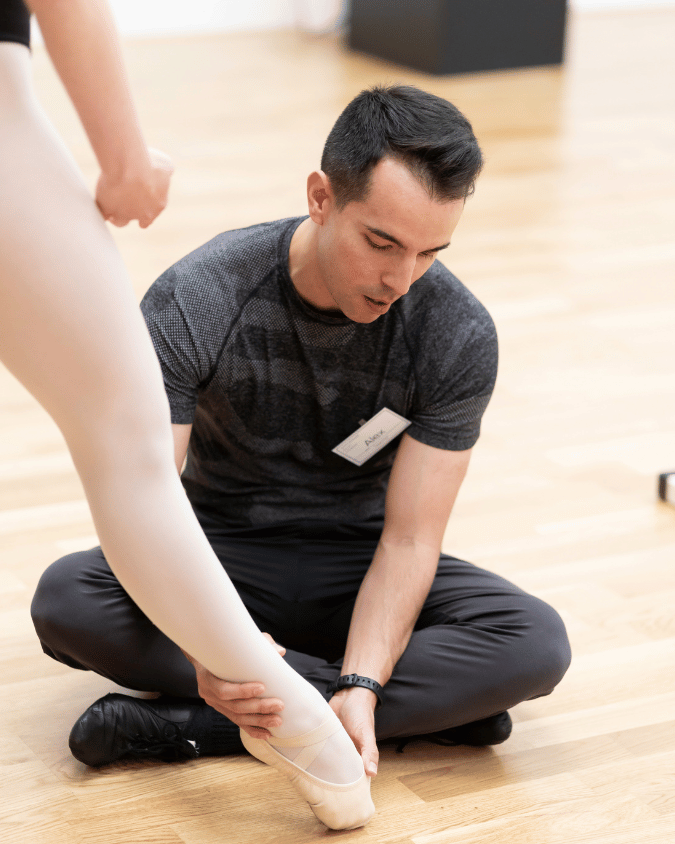
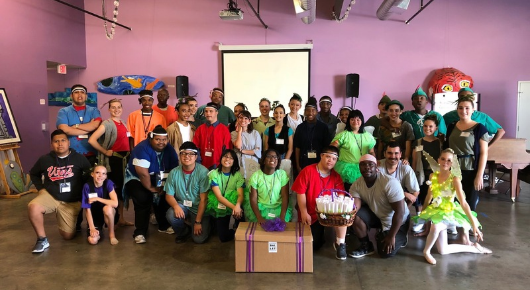
Photo by Danielle Cox
Learning from a mentor
"I really enjoyed the learning process involved in my Licentiate studies with Gillian Hurst. She is an exceptional mentor and educator, and her guidance has been invaluable. It is also incredibly rewarding to be part of a community of teachers, with access to a strong and varied programme of CPD opportunities. I would also like to extend a heartfelt thanks to the ISTD and the Cecchetti Society Trust for their ongoing support of my learning."