21 July 2026
I did not grow up with the language of "safe dance practice." My training in Kathak was rigorous, immersive, and deeply rooted in tradition. It was about discipline, repetition, surrender, and striving for excellence. And like many dancers trained in Classical Indian forms, I grew up with an unspoken understanding that the body would adapt, and that endurance was simply part of the journey.
But as I have grown as a dancer, as a teacher, and as someone responsible for other dancers, I have come to recognise what was missing.
Kathak, Bharatanatyam are incredibly demanding forms. Kathak requires intricate and often high-impact footwork, repeated spinning, and sustained postural control. Bharatanatyam asks for deep and sustained work in Araimandi, strength, precision, and full-body coordination. These are not neutral demands. They place an ongoing load on the ankles, knees, hips, and spine.
A Different Way of Thinking
Through my engagement with the ISTD and increasing exposure to Safe Dance Practice, I encountered a different way of thinking. One that didn't diminish the rigour of the form, but instead asked: how do we support the body to meet these demands more intelligently?
At first, I will admit, it felt unfamiliar. Even slightly at odds with how I had been trained. But over time, I began to see that this wasn't about changing the form, it was about sustaining it.
I began to understand the importance of preparing the body before training, and allowing it to recover afterwards. I began to see conditioning not as something separate from dance, but as something that enables it. Strength, mobility, and alignment were no longer abstract ideas, but practical tools that directly affected how a dancer moved, learned, and performed. 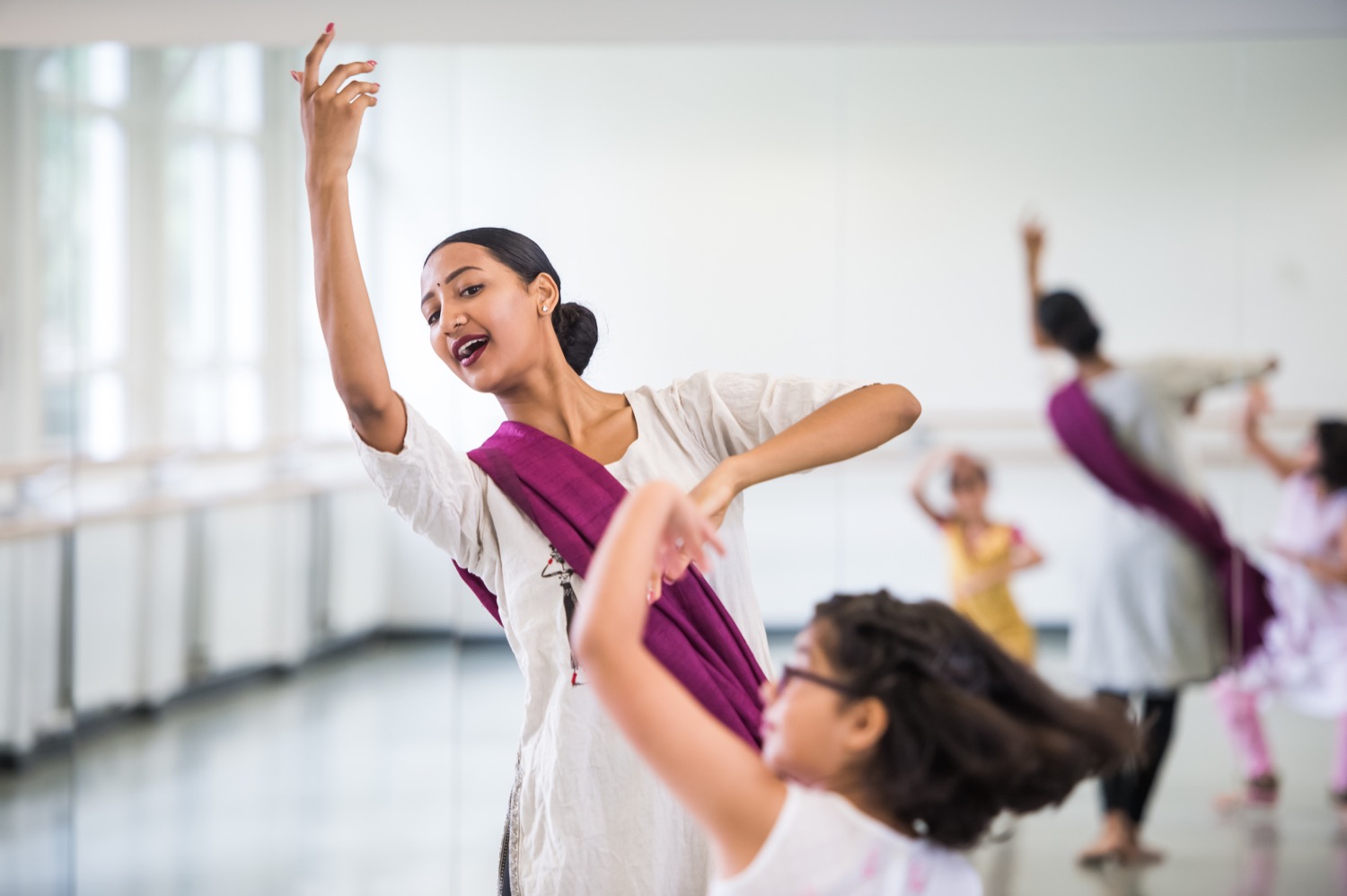
A Growing Shift in the Dance World
There is a growing shift now, and I find this incredibly encouraging. More and more dancers and teachers are beginning to recognise the importance of safe practice. There is greater openness in talking about injury, fatigue, and wellbeing. There is less stigma around seeking support, and more awareness that longevity in dance requires more than just determination.
In this journey, organisations such as NIDMS (National Institute of Dance Medicine and Science) have played an important role. Access to dance-informed healthcare professionals has helped bridge a gap that many of us did not even realise existed. For dancers working in highly specific forms like Kathak and Bharatanatyam, this kind of support is invaluable. It allows us to understand our bodies more clearly, to respond earlier to issues, and to make more informed choices about training and recovery.
What This Means as a Teacher
What has changed most for me is not just my practice, but my responsibility. As a teacher, I now see Safe Dance Practice as integral to what I pass on. This includes how they warm up, how they condition, how they recognise fatigue, and how they care for themselves beyond the studio.
What I have also begun to notice is the positive impact this shift has had, not just on me, but on the dancers I work with. There is a greater sense of awareness in the room. Dancers are listening to their bodies more closely, asking questions, and taking ownership of their practice. There is less fear around speaking about discomfort, and more confidence in adapting when needed. This has begun to create a healthier, more supportive environment one where rigour and care can exist together.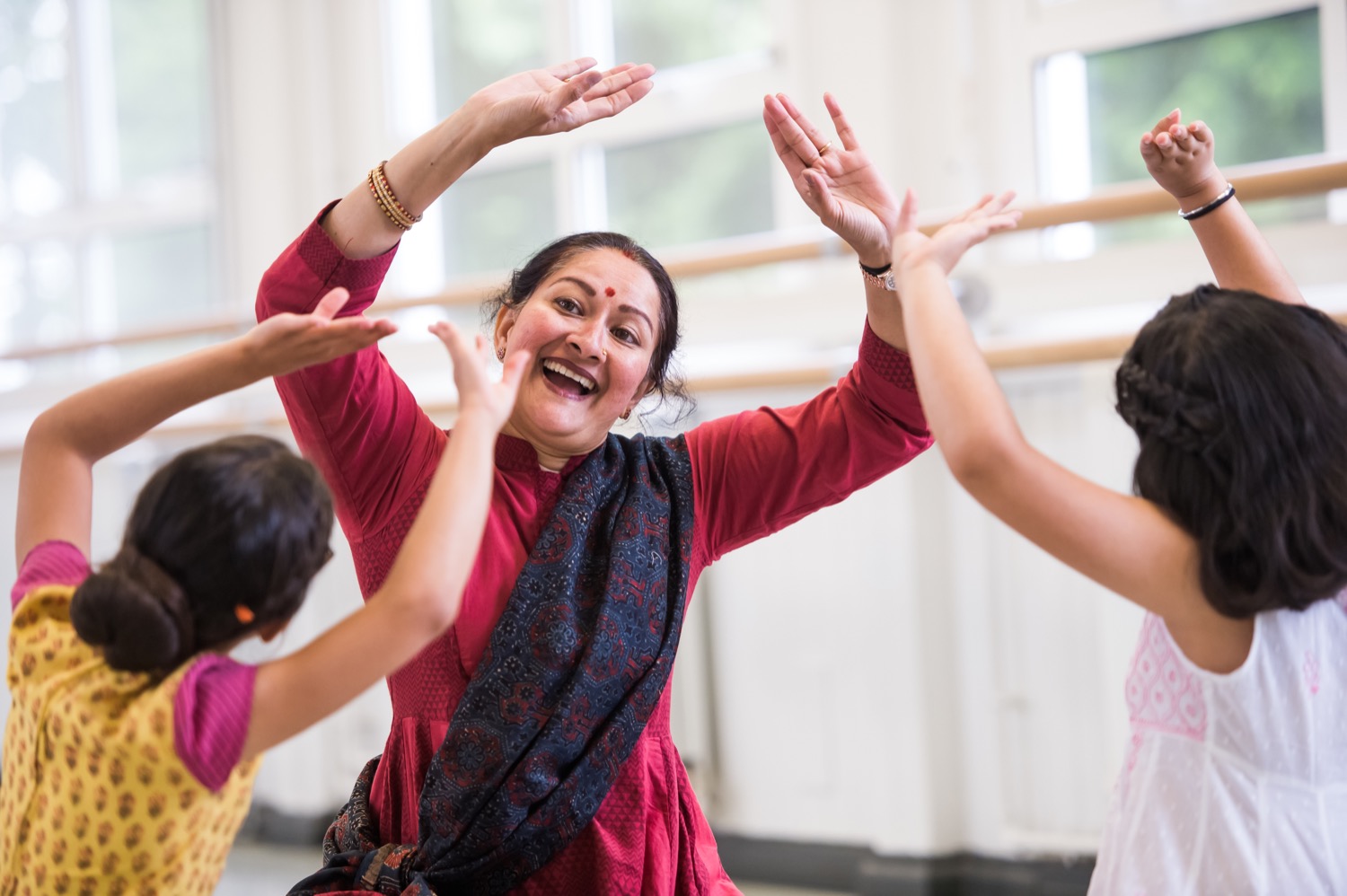
Evolving with Care
For me, this is not about moving away from tradition. It is about allowing tradition to evolve with care. Kathak and Bharatanatyam are living forms. They have always adapted across generations, geographies, and contexts. Integrating safe dance practice is simply part of that evolution. It ensures that the dancers carrying these forms forward are not only skilled but also supported, informed, and able to sustain their practice over time.