23 September 2026
What difference could a bursary make to your project? Applications for 2026 Sue Passmore Award: Broadening Access to Dance, are open until the 20 October. We're highlighting some previous recipients and the impact their funding has had within their communities.
Bringing ballet to new communities
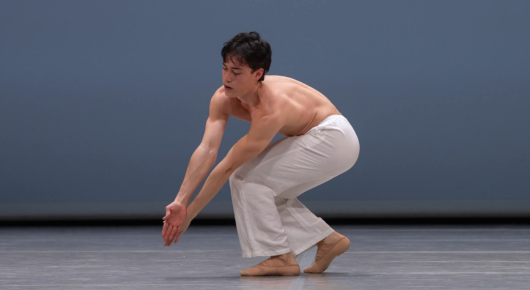
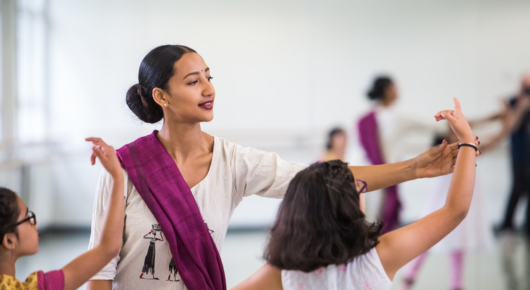
Francesca Stern received the Sue Passmore Award for Ballet in a Box, a programme bringing ballet to underserved communities, including children who may never have experienced it before.
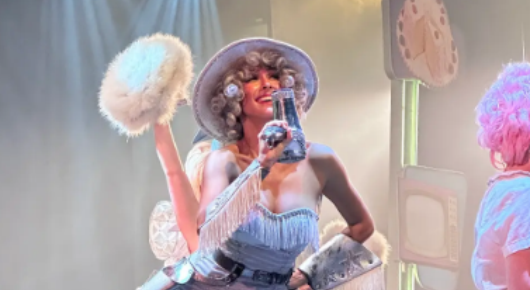
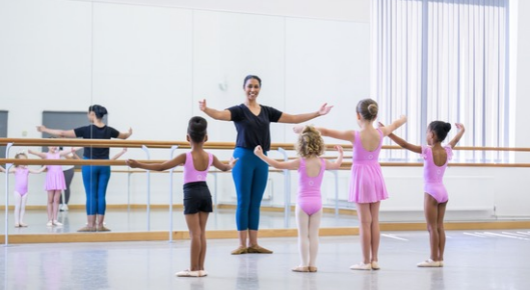
Dancers perform a short scene in costume before teaching accessible movement that becomes part of the participants’ own performance. Each group receives a box containing the costumes, music and, in some cases, dancewear and shoes needed to perform again. The team also stays connected and invites families to future Redondo Ballet performances.
“We believed that not only were we creating artists, but lovers of art... Receiving the Bursary was an enormous support in developing Ballet in a Box."
Opening musical theatre to more families
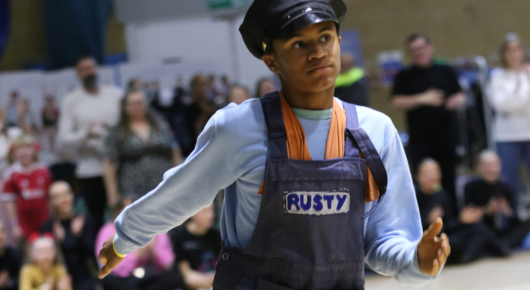
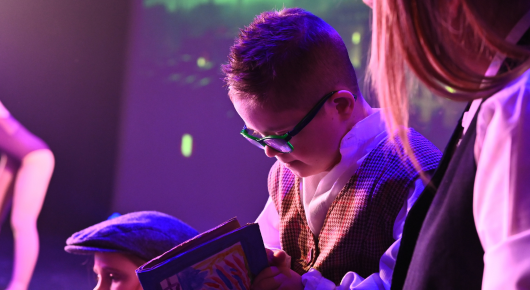
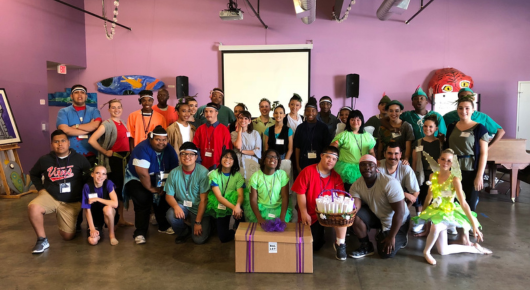
Chloe Spencer used her award to introduce musical theatre classes in Finsbury Park, North London.
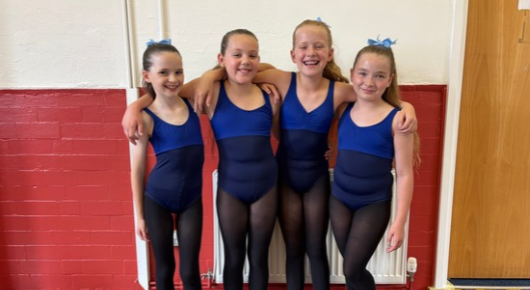
The Award has enabled the organisation to welcome more children and families into the world of dance and singing, giving young people the opportunity to learn singing and jazz dance and experience performing when they may not otherwise have had the chance.
This support is particularly valuable where financial barriers can make accessing extracurricular activities more challenging for families. Alongside its classes, the organisation also provides hot meals each week to help support families with the cost of living.
Funding has also supported the introduction of new classes, helping to engage new families and encourage more children to take part. As participation grows, there is potential to expand the programme further with additional classes and dance styles.
“Our hope was to make dance and singing inclusive of anyone.”

Creating New Pathways to ISTD Examinations
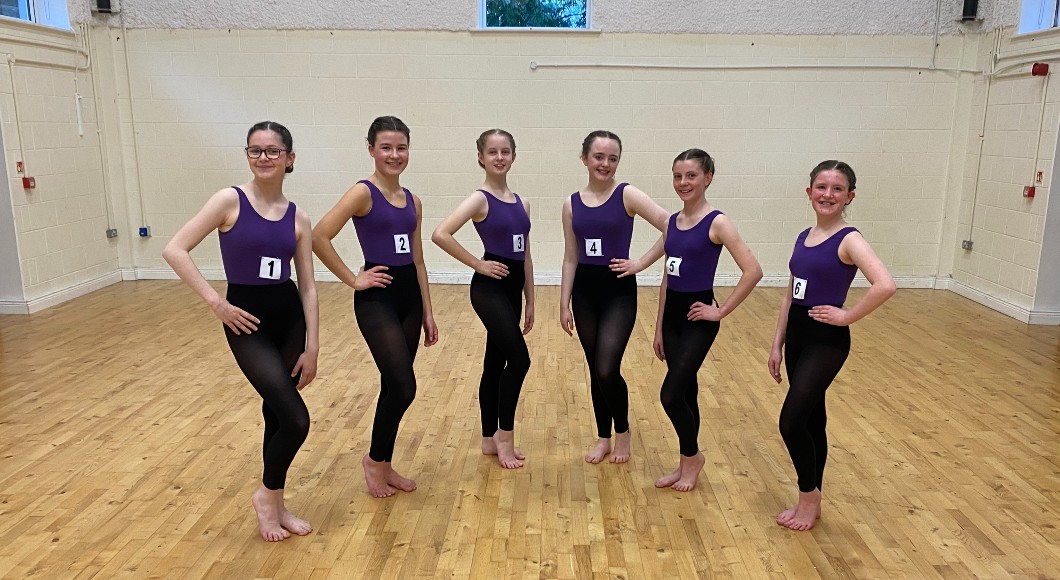
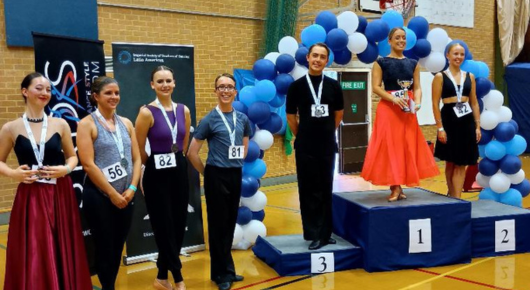
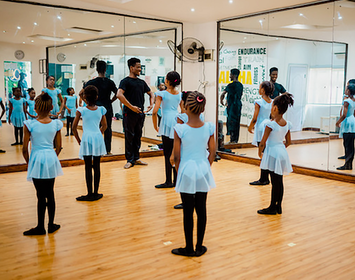
Ayomi Tsalu's project focused on reducing barriers for young ballet students in Nigeria by providing intensive training opportunities and supporting students to take their first ISTD graded examinations. The funding also enabled local teachers to access CPD opportunities, helping to create sustainable dance provision within their communities.
By investing in both students and teachers, the project helped to build long-term pathways into dance education and professional development. It demonstrates how targeted funding can have a lasting impact, not only on individual dancers but on entire communities.
"This funding gave me the chance to enter my Grade 1 students for graded exams by the ISTD. These kids worked so hard with me over the past 1-2 years, and this was a perfect gift to give to them so they could move on to the next phase of their training."
What could your project achieve?
- Projects can be entirely new or build on existing work. They might include:
- Classes or workshops for schools, nurseries, care homes or community groups
- Partnerships that increase access to dance locally
- Opportunities for people who face barriers to participation
- Taking dance into new locations or communities
- Innovative ways to engage new participants
Who can apply?
Applicants must hold current ISTD membership and an ISTD teaching qualification. Applications should include a clear project proposal and realistic budget, demonstrating the need for the project, how it will broaden access to dance and how the funding will be used.
Successful applicants will be expected to provide evidence of expenditure, evaluate their project and share their outcomes and learning with the wider ISTD membership.
If you have an idea that could help more people discover, enjoy or participate in dance, now is the time to bring it to life. Read the 2026 guidance notes for full details before applying.
Applications close at 12:00 BST on 20 October 2026.
For enquiries, contact bursaries@istd.org.
Find out more and apply for the 2026 Award