6 October 2026
What are reasonable adjustments?
Reasonable Adjustments are changes to the assessment process that remove or reduce barriers a candidate may face due to a disability, medical condition, or specific learning need. The goal is not to give an advantage but to level the playing field so candidates can demonstrate their knowledge, skills, and understanding without being unfairly disadvantaged.
Adjustments are tailored to individual needs and may include rest breaks, extended preparation time, use of assistive technology, or alternative formats such as large print. The ISTD considers a wide range of conditions, including:
- Medical conditions (e.g. epilepsy, diabetes)
- Physical disabilities (e.g. cerebral palsy, scoliosis)
- Sensory impairments (e.g. vision or hearing loss)
- Specific learning difficulties (e.g. dyslexia, dyspraxia)
- Developmental disorders (e.g. autism spectrum disorder)
- Social, emotional or mental health needs (e.g. anxiety, panic disorders)
Adjustments are made without compromising the integrity of the assessment and reflect the candidate’s usual way of working.
Why ARA matters: performance and progression
In a performance-based discipline like dance, exam success can impact a young person’s confidence, identity, and future aspirations. Reasonable Adjustments can make the difference between coping and thriving. By supporting candidates to perform at their best, ARA ensures outcomes reflect ability and effort - not barriers.
This is vital for students working towards vocational qualifications or teacher training, where progression depends not just on ability, but also on its recognition through accredited pathways. ARA helps open doors to further study, teaching, and performance opportunities.
The application process
1. Early identification
Teachers and Approved Dance Centres (ADCs) are encouraged to identify students who may benefit from Reasonable Adjustments early in their training. This allows time to gather documentation and plan support.
2. Submitting an application
Applications must use the official ISTD forms:
Applications should include details of the candidate’s needs and the requested adjustments, supported by professional documentation (e.g. a letter from a GP).
3. Consent and submission
The candidate, or their parent/guardian if under 18, must give written consent to share their information. A sample consent form is available on the ISTD website. Completed applications should be sent to ara@istd.org and will be acknowledged within three working days.
4. Outcome and implementation
Once the application is approved, the agreed adjustments are communicated and put in place for the assessment. It’s essential that all involved - teachers, ADCs, and examiners - understand the adjustments and how they are to be applied.
Timeframes and deadlines
Timely submission is essential to allow the ISTD to review and action applications appropriately. Teachers and centres should refer to the ARA Process and Procedures documents for relevant deadlines, available on the ISTD website.
Appeals and support
If an application is declined, there is a formal appeals process in place. The ISTD is committed to transparency and fairness, and encourages open communication if applicants need further support or clarification at any stage.
For queries, support or further guidance, contact the ARA Administrator at ara@istd.org.
A commitment to inclusion
The ARA process reflects ISTD’s belief that dance should be accessible to all - helping every candidate to shine.
To learn more or begin an application, visit www.istd.org/examinations/applications-for-reasonable-adjustments-ara
Case Study: Adam – Moderate Adjustment
Adam has dyslexia, which can impact his ability to process and retain free work. He also has scoliosis, which affects hip alignment, and a knee condition that can limit certain movements.
Adjustments made:
- 25% extra time granted to support processing and retention of free work.
- Examiner is made aware that certain positions, such as plié in 4th, may appear uneven, and that attitude alignment may be affected by scoliosis.
- For allegro and batterie, the music tempo was slightly slowed (with the pianist informed in advance) to reduce stress on the knee joint and support safe execution.
Case Study: Sally – Minor Adjustment
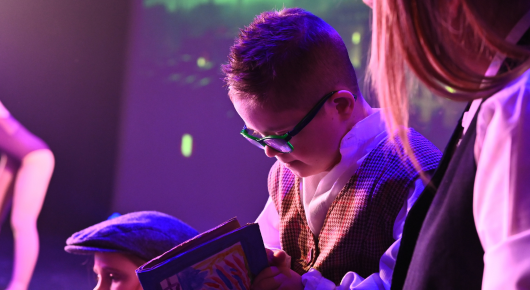
Sally has Down Syndrome, hypermobility, low muscle tone, and global developmental delay. She also has mild hearing loss. Sally can become tired or overstimulated more quickly and may lose concentration during prolonged activity or if the environment is overly stimulating.
Adjustments made:
- Extra time allocated to allow for brief rest periods and refocusing.
- Dance routines were broken into shorter segments: each performed twice, followed by a short break, and then repeated.
- Examiners were briefed on sensory sensitivities, such as volume levels, to avoid overstimulation during the assessment.
These examples show how the ARA process is flexible and centred around the individual, always aiming to remove barriers without altering the assessment’s integrity or standards. Each adjustment is designed to reflect the candidate’s usual working environment while maintaining fairness and consistency across all assessments.
Supporting you: Step Up to Success resources
To help teachers and Approved Dance Centres communicate the benefits of examinations, including how Reasonable Adjustments can support examination success - we have developed a suite of resources as part of our Step up to Success campaign. These materials are designed to assist members in talking to parents and students about the value of dance exams and the support available through the ARA process.
Resources include:
- A downloadable PDF outlining the ARA process and highlighting how this could benefit students who may need adjustments
- Printable and digital leaflets explaining the benefits of taking dance exams
- Social media graphics and captions promoting the benefits of taking dance exams